
Soda-Lime, Borosilicate, or Crystal? A Buyer's Guide to Glassware Materials and Manufacturing
If you've ever requested quotes from multiple Chinese glassware suppliers and wondered why the prices vary so wildly — sometimes by 3x or more for what looks like the same wine glass — the answer almost always comes down to two things: what the glass is made of, and how it was shaped. Understanding these two variables will save you money, prevent quality complaints, and help you sound informed when negotiating with factories. This guide breaks down the essentials every wholesale buyer should know before placing a glassware order.
heidi lee
5/25/20263 min read
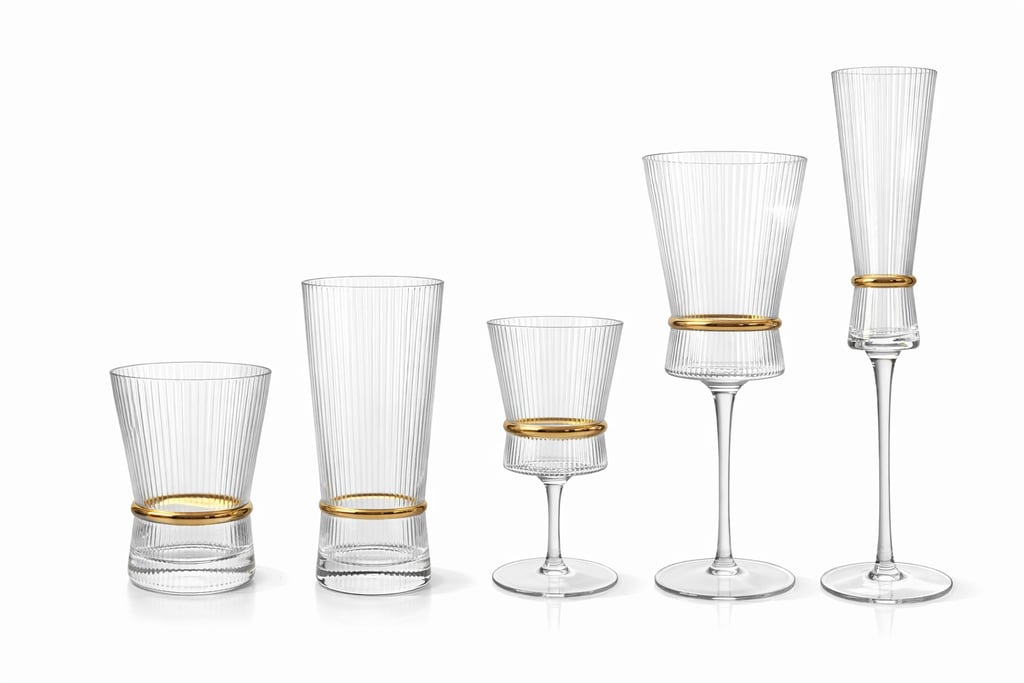
The Three Main Types of Glass Used in Drinkware and Decorative Glass
Not all glass is created equal. The vast majority of commercial glassware falls into one of three families, each with its own cost, clarity, and durability profile.
1. Soda-Lime Glass — The Industry Workhorse
Soda-lime glass accounts for roughly 90% of the world's manufactured glass. It's made primarily from silica sand, soda ash, and limestone, melted at around 1,500°C. This is what your standard tumblers, beer mugs, jars, candle holders, and most everyday drinking glasses are made from.
Why buyers choose it: It's inexpensive, recyclable, and perfectly adequate for the majority of food and beverage applications. If you're sourcing pint glasses for a bar chain or candle vessels for a home fragrance brand, soda-lime is almost certainly what you want.
Limitations: It has relatively poor thermal shock resistance — pouring boiling water into a cold soda-lime glass is a known way to crack it. Clarity is acceptable but not premium; you may notice a faint greenish tint in thicker sections.
2. Borosilicate Glass — The Heat-Resistant Specialist
Borosilicate glass replaces some of the soda ash with boron trioxide, which dramatically lowers the coefficient of thermal expansion. The result: it can handle temperature swings that would shatter ordinary glass.
Why buyers choose it: Essential for teapots, coffee servers, double-wall mugs, bakeware, and any product marketed as "heat-resistant" or "oven-safe." It's also the standard for laboratory glassware (beakers, flasks, test tubes).
Cost reality: Expect to pay 30-60% more than soda-lime for an equivalent item. Don't let suppliers quote you borosilicate prices and ship soda-lime — ask for material certification, especially for any product making heat-resistance claims to end consumers.
3. Crystal Glass — The Premium Tier
True lead crystal contains at least 24% lead oxide, which increases refractive index (more sparkle) and density (heavier feel). However, due to health concerns, most modern "crystal" sold for drinkware is actually lead-free crystal or crystalline glass, where lead is replaced with barium, zinc, or potassium oxides.
Why buyers choose it: Premium wine glasses, whisky decanters, gift sets, and hospitality lines aimed at upscale segments. The brilliance, thinness of the rim, and audible "ring" when tapped are markers of crystal quality.
Cost reality: Crystal stemware can cost 5-10x more than soda-lime equivalents. For wholesale buyers, the key questions are lead content (request SGS or LFGB reports), rim treatment (pulled rim vs. cut rim), and country-of-origin labeling requirements in your market.
Machine-Made vs. Hand-Blown: Where Your Money Really Goes
Material is only half the equation. How a glass is shaped determines labor cost, consistency, and aesthetic character.
Machine-Pressed Glass
Molten glass is forced into a mold by a plunger. This is the cheapest method, used for thick-walled items like tumblers, candle jars, and votives. Wall thickness is uniform but heavy, and visible mold seams are common.
Machine-Blown Glass
Compressed air blows molten glass into a rotating or split mold. This produces thinner walls and is the standard for mass-market wine glasses, beer glasses, and bottles. Output can exceed 100,000 pieces per day from a single production line, which is why prices stay competitive.
Hand-Pressed and Hand-Blown Glass
A skilled glassblower gathers molten glass on a blowpipe and shapes it manually, sometimes into a wooden or graphite mold, sometimes free-hand. Each piece is unique. Capacity is low — a small workshop might produce 200-500 pieces per worker per day for simple shapes, far less for complex stemware.
For buyers: Hand-blown glass commands premium pricing not because of material cost but because of labor. Expect minor variations in height, weight, and bubble inclusions — these are not defects but characteristics of the process. If a client demands machine-grade uniformity at hand-blown prices, that order will end badly for everyone.
Practical Sourcing Tips for First-Time Buyers
A few things experienced importers know that newcomers learn the hard way:
Confirm material in writing. Quotation sheets should specify "soda-lime," "high borosilicate," or "lead-free crystal" — not just "glass." This protects you in disputes.
Understand MOQ logic. Mold-based products carry mold costs (typically USD 300-1,500 per mold for standard shapes, more for complex ones). Suppliers amortize this over the minimum order quantity. Higher MOQ usually means lower unit price.
Factor in packaging early. Glass is fragile and heavy. Inner pulp trays, master cartons with corrugated dividers, and palletization decisions affect both freight cost and damage rates. Ask for the gross weight and carton dimensions before finalizing logistics.
Test before you scale. For any new supplier or new product, order a sample batch and run your own drop tests, dishwasher cycles, and (where relevant) thermal shock tests. A USD 200 sample order can prevent a USD 20,000 quality claim.
The Chinese glassware industry — concentrated in Hejian, Shanxi, and Shandong — produces an enormous range of products at every quality tier. The trick to sourcing well isn't finding the cheapest factory; it's matching the right material and manufacturing method to your end market's expectations. A pub chain doesn't need crystal. A luxury gift brand can't sell pressed glass. Get the fit right, and your margins, reorders, and customer reviews will all reflect it.
If you're planning your next glassware order and want to compare options across categories — from machine-made bar glasses to hand-blown decorative pieces — feel free to reach out for a tailored quotation.
We produce and export premium glassware including wine, whiskey, and tumbler glasses.
15+ years of manufacturing experience with full OEM & ODM customization.


Contact Us
Tel.: +86 18335157146
Whatsapp: +8618335157146
Add.: Wenqu Industrial Park, Guxian Town, Qi County, Jinzhong City, Shanxi Province.